
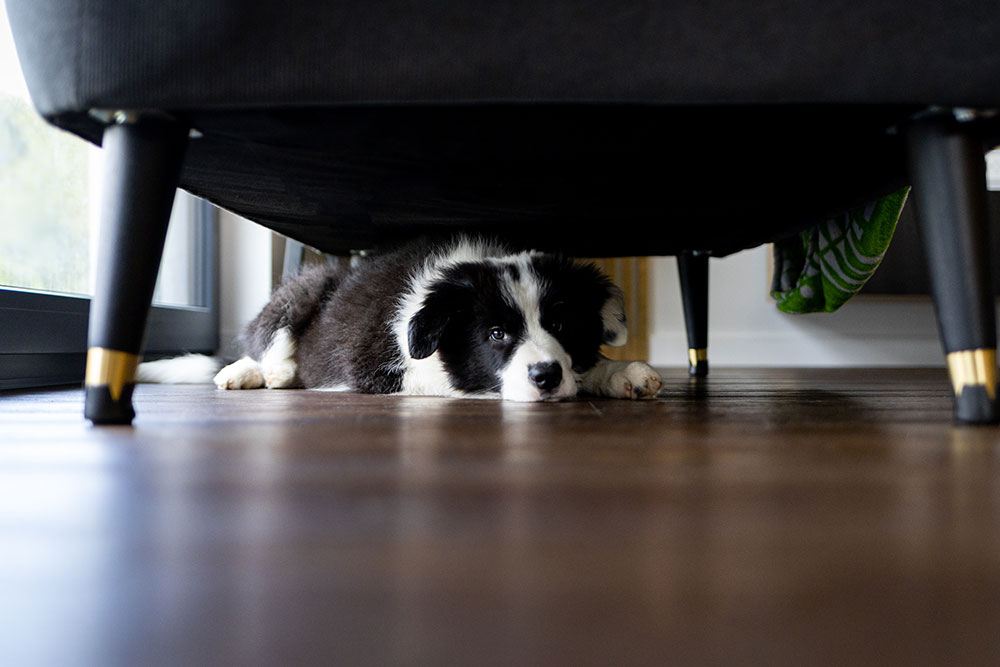
Some pets handle alone time with ease, while others panic the moment you step out. Scratched doors, accidents, or escape attempts may all point to separation anxiety, a deeply distressing condition rooted in fear of isolation. Fortunately, with gradual desensitization, mental enrichment, and veterinary guidance, most pets can learn that time apart doesn’t have to mean fear or panic.
At East Wind Animal Hospital in Willow Grove, PA, our team understands that behavioral health is just as important as physical wellness. Through personalized preventive care and compassionate support, we help pets and their families navigate anxiety with confidence and clarity.
What Is Separation Anxiety in Pets?
Separation anxiety is a behavioral condition triggered by distress when a pet is left alone. It’s not defiance or poor training, it’s a genuine stress response that causes real suffering. Separation anxiety in dogs manifests through destructive behaviors, excessive vocalization, and house soiling, while cats may hide, over-groom, or urinate outside the litter box.
Understanding separation anxiety in pets starts with recognizing the signs:
- Pacing, whining, or barking when you prepare to leave
- Destructive chewing or scratching at doors and windows
- House soiling despite being housetrained
- Excessive drooling or panting
- Escape attempts that result in injury
These behaviors typically begin within minutes of departure and persist throughout your absence. If your pet shows these signs consistently, a behavioral evaluation through our preventative care services can help determine the severity and guide treatment planning.
Why Does Separation Anxiety in Pets Develop?
Multiple factors contribute to separation anxiety, and understanding the root cause helps tailor the most effective treatment approach. Changes in routine, such as a new work schedule, moving homes, or the loss of a family member, can trigger anxiety in previously confident pets. Long work hours or extended absences teach pets that being alone is unpredictable and frightening.
Behavioral problems in dogs often stem from poor early experiences. Pets who lacked positive socialization during critical developmental periods may struggle with independence throughout their lives. Traumatic events, such as rehoming, shelter stays, or abandonment, can also create lasting anxiety.
Prevention begins in puppyhood and kittenhood. The socialization of puppies and kittens during the first few months of life builds confidence and resilience. Gradual exposure to alone time, paired with positive experiences, teaches young pets that separation is temporary and safe. Our team provides guidance during new pet exams to help owners establish healthy routines from the start.
Training Techniques That Build Confidence
Humane, reward-based methods teach pets to associate alone time with calmness instead of fear. Positive dog training methods focus on reinforcing desired behaviors rather than punishing anxiety, which only worsens the problem.
- Desensitization involves gradually increasing the duration of absences. Start by stepping outside for just a few seconds, then return calmly without fanfare. Slowly extend the time as your pet remains relaxed. Pair departures with high-value rewards like puzzle feeders or special treats to create positive associations.
- Counter-conditioning changes your pet’s emotional response to triggers. If your dog panics when you pick up your keys, practice picking them up repeatedly without leaving. Reward calm behavior until the action no longer predicts your departure.
Consistency is essential. Use the same verbal cues and routines each time you leave, and avoid dramatic greetings or farewells that heighten emotional intensity. Punishment worsens anxiety and damages trust, so patience and positive reinforcement remain the foundation of successful behavior modification.
If your pet’s anxiety is severe or progress stalls, our team can provide additional behavioral support and connect you with training resources tailored to your pet’s needs.
Enrichment Strategies for Dogs
Mental stimulation keeps dogs engaged and confident when owners are away. A tired, mentally satisfied dog is far less likely to experience anxiety than one who is bored and under-stimulated.
- Dog enrichment ideas include scent games, puzzle feeders, and rotating toy selections to maintain novelty.
- DIY cognitive dog toys made from household items, such as muffin tins with treats hidden under tennis balls, provide cost-effective mental challenges.
- Indoor enrichment for dogs includes activities like hide-and-seek with treats, snuffle mats that mimic foraging, and frozen food-dispensing toys that provide extended engagement. Physical exercise before departures helps reduce excess energy and promotes relaxation during alone time.
Enrichment should be safe, appropriate for your dog’s size and chewing habits, and introduced gradually to avoid overwhelming anxious pets. Our team can help you develop an enrichment plan that supports your dog’s emotional well-being alongside medical care.
Creating a Cat-Friendly Space
Cats also benefit from structured play and environmental variety, though their needs differ from dogs. Feline anxiety often manifests as hiding, over-grooming, or inappropriate elimination, and addressing these behaviors requires thoughtful environmental management.
- DIY enrichment toys for cats include cardboard boxes with cutouts, paper bag tunnels, and crinkle balls that stimulate hunting instincts. Rotate toys regularly to maintain interest and prevent boredom.
- Creating a cat-friendly environment means providing vertical spaces for climbing, hiding spots for security, and interactive feeding opportunities. Food-dispensing toys encourage natural foraging behaviors and slow eating, reducing stress and promoting mental engagement.
- Window perches with views of outdoor activity provide visual stimulation, while scratching posts and climbing trees satisfy physical needs. Cats thrive on predictability, so maintaining consistent routines around feeding, play, and quiet time helps reduce anxiety when you’re away.
If your cat’s anxiety persists despite environmental modifications, our diagnostic services can rule out underlying medical issues that may contribute to behavioral changes.
Medical Support and Calming Aids for Pets
In some cases, medications or calming aids help manage severe anxiety alongside training and environmental support. These tools don’t replace behavior modification but can make progress possible for pets who are too distressed to respond to training alone.
- Synthetic pheromone diffusers, which mimic natural calming signals, can help calm pets. Products like Adaptil for dogs and Feliway for cats create a sense of security without sedation or side effects.
- Nutraceuticals, supplements containing ingredients like L-theanine, alpha-casozepine, or tryptophan, support relaxation and reduce stress responses.
- For severe cases, prescription anti-anxiety medications may be necessary to provide relief while behavior modification takes effect.
Medication should always be prescribed and monitored by a veterinarian. Our team can evaluate your pet’s individual needs during a consultation and recommend the most appropriate combination of medical and behavioral interventions. If your pet requires immediate support, our urgent care services are available to address acute distress and provide stabilization.
Building Your Pet’s Confidence Through Partnership
Separation anxiety is treatable through patience, structure, and veterinary partnership. With gradual desensitization, mental enrichment, and medical support when needed, most pets can learn independence while maintaining emotional security.
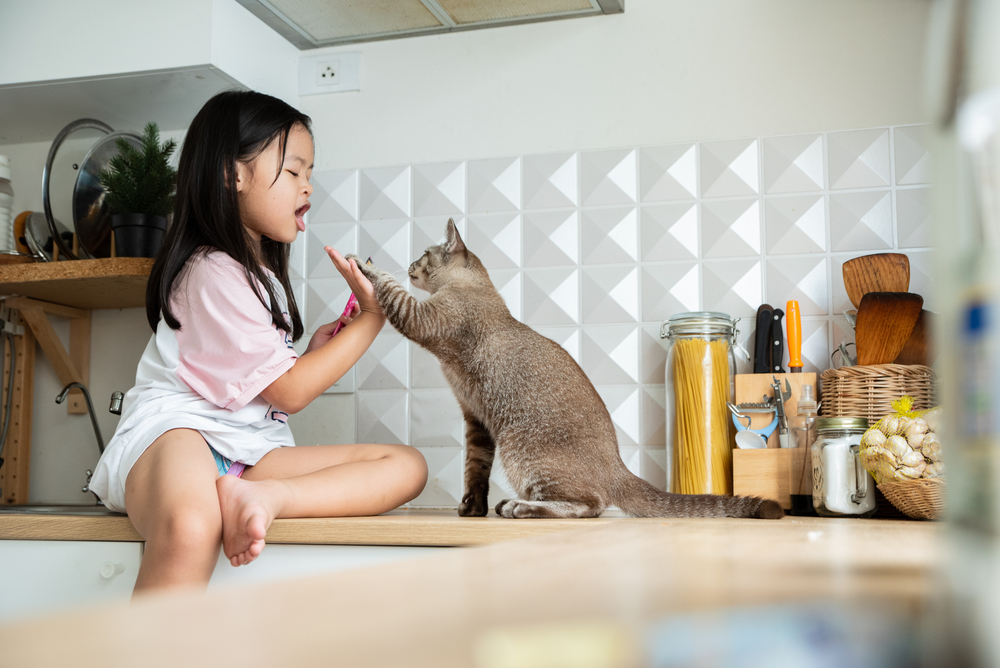
At East Wind Animal Hospital, we’re committed to supporting the human-animal bond through comprehensive care that addresses both physical and behavioral health. Whether your pet needs behavioral guidance, diagnostic evaluation, or medical intervention, our team provides expert, compassionate support every step of the way.
If you’re struggling to manage your pet’s anxiety alone, our team is here to help. Schedule an appointment to discuss behavioral support options tailored to your pet’s needs.




Leave A Comment