Your senior pet may look and act perfectly healthy, and that is exactly the point. Many of the conditions that affect aging dogs and cats, including kidney disease, thyroid disorders, heart disease, and early-stage cancer, develop quietly and do not produce obvious symptoms until they have already progressed significantly. By the time you notice changes in appetite, energy, or weight, the disease may have been building for months. Senior screening is designed to find those problems early, when treatment is simpler, less expensive, and more effective.
At East Wind Animal Hospital, our diagnostic services include in-house blood work, ultrasound, and imaging that allow us to build a detailed picture of your senior pet’s internal health. We believe in a proactive approach to aging, and senior screening is a core part of that philosophy. Request an appointment or contact us to schedule a senior screening for your pet.
Why a Physical Exam Alone Isn’t Enough After Age Seven
A physical exam tells us what we can see, feel, and hear: organ size, lymph node texture, heart sounds, body condition, and coat quality. What it cannot reveal is what is happening inside. The earliest stages of kidney disease, thyroid dysfunction, liver disease, and cardiac remodeling are completely invisible on examination.
Preventive testing for senior pets consistently identifies conditions before clinical signs develop, and that window matters enormously for outcomes. Kidney disease in cats, for instance, is typically not detectable on examination until 65 to 75 percent of kidney function is already lost. Starting treatment at that point is far less effective than starting it months earlier when a blood test first flags the problem.
Senior pet care recommendations from major veterinary organizations support twice-yearly exams with targeted laboratory screening for pets seven and older. For most conditions, the treatment available at the earliest detectable stage is simpler, less invasive, and significantly more effective than what is available after symptoms develop.
Our preventative care philosophy at East Wind is proactive rather than reactive, and senior screening is central to that.
What Blood Work Reveals
Blood panels provide a snapshot of internal health that no physical examination can match.
| Test | What It Measures | What It Can Detect |
| Complete blood count (CBC) | Red cells, white cells, platelets | Anemia, infection, immune disorders, clotting problems |
| Chemistry panel | Kidney, liver, blood glucose, electrolytes, protein | Kidney disease, liver disease, diabetes, Addison’s disease |
| Thyroid (T4) | Thyroid hormone level | Hypothyroidism (dogs); hyperthyroidism (cats) |
| SDMA | Early kidney biomarker | Kidney disease 40% earlier than creatinine alone |
| Tick-borne disease panel | Antibody/antigen testing | Lyme disease, Ehrlichia, Anaplasma (relevant in the greater Philadelphia area) |
One thing that makes routine screening especially valuable is establishing a baseline in a healthy pet. A blood value that falls within the published normal range can still represent a meaningful change for a specific animal if their individual baseline is known. Trend data over multiple years often identifies disease before any single value looks abnormal.
Our in-house laboratory means same-day results for most panels, so follow-up conversations and treatment planning happen the same visit rather than days later.
Blood Pressure: Silent Damage You Cannot See
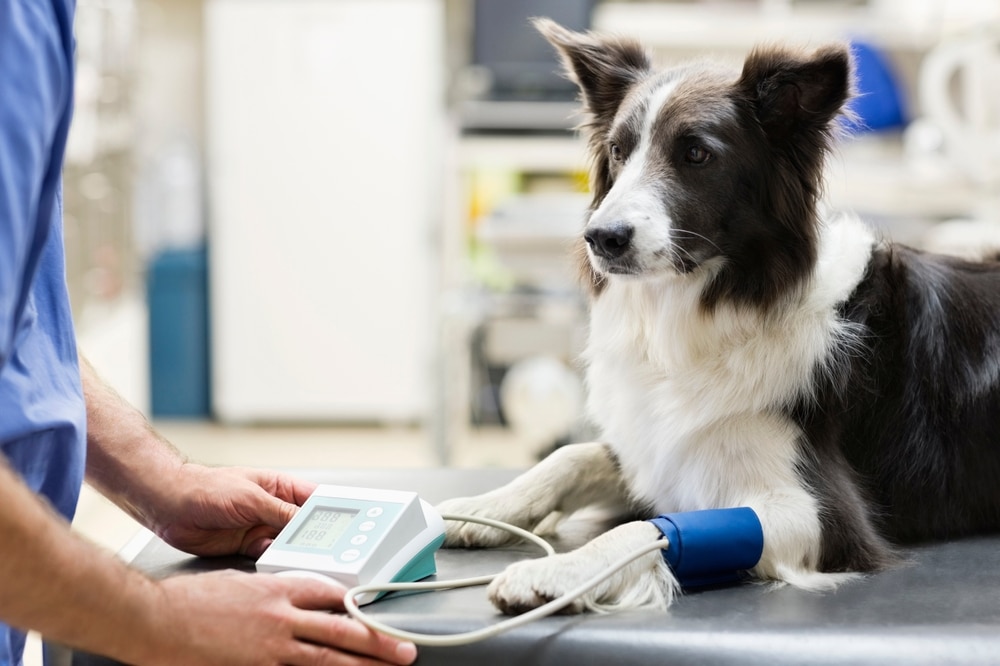
Hypertension in pets does not produce headaches or other obvious symptoms. It damages organs quietly, over months, before clinical signs emerge. By the time hypertension is suspected from a clinical presentation, significant harm to the kidneys, eyes, heart, and brain may have already occurred.
Blood pressure measurement in pets is non-invasive: a small cuff around a limb or the base of the tail, a brief quiet period, and a series of readings. A single elevated reading in a nervous patient is interpreted cautiously, but a consistent pattern across multiple visits confirms hypertension.
Common underlying causes of hypertension in senior pets:
- Chronic kidney disease (very commonly linked)
- Hyperthyroidism in cats
- Hyperadrenocorticism (Cushing’s disease)
- Diabetes mellitus
- Primary (idiopathic) hypertension, particularly in older cats
Retinal detachment from uncontrolled hypertension can cause sudden blindness, and a pet who presents with acute vision loss may have had undetected high blood pressure driving the damage for an extended period. Annual blood pressure measurement in senior pets is inexpensive prevention for what becomes a much more significant and distressing problem later.
Urinalysis: What Urine Shows Beyond What Blood Misses
Urinalysis complements blood work in ways that are often underappreciated.
While chemistry panels measure circulating values in the blood, urinalysis measures how effectively the kidneys are concentrating and filtering. Dilute urine in a senior cat can reflect declining kidney function months or years before the creatinine or BUN on a blood panel rises to an abnormal level. Protein in the urine signals kidney barrier breakdown independent of creatinine. Glucose in the urine can reveal diabetes when blood glucose is borderline. White blood cells or bacteria indicate infection.
Ideally collected first thing in the morning when urine is most concentrated, urinalysis paired with blood work provides a substantially more complete picture of kidney health and overall metabolism than either test alone.
Cardiac Screening in Aging Pets
Heart disease diagnosis benefits from layered screening. A murmur heard on a physical exam tells us something is happening at a valve; a cough at night tells us fluid may be building in the lungs; fluid in the abdomen tells us the heart may be enlarging. When we see any of these signs on physical examination, or if your pet is an at-risk breed, we’ll recommend further cardiac testing.
| Screening Tool | What It Reveals |
| Chest radiograph | Heart size, shape, fluid in lungs, masses |
| Echocardiogram | Chamber size, valve function, wall motion, pumping efficiency |
| NT-proBNP blood test | Blood marker elevated by cardiac stress; useful for early detection |
| ECG/EKG | Heart rhythm; identifies arrhythmias |
Our internal medicine and ultrasound services provide these diagnostic capabilities in-house, so cardiac evaluation does not require a separate specialist referral for most cases.
Imaging: What X-Rays and Ultrasound Find
Radiography and ultrasound provide different windows into a pet’s internal health.
Chest radiographs assess heart size and shape, screen for lung fluid from cardiac disease, and can detect masses in the chest cavity. Abdominal radiographs evaluate organ size, bladder stones, and abnormal masses. Skeletal radiographs can show us arthritis and joint diseases.
Abdominal ultrasound provides real-time visualization of organ architecture, lymph node texture, and intestinal wall layering. It detects abdominal masses that may not be palpable on exam and guides fine-needle aspiration for tissue sampling without anesthesia in many cases.
For senior pets with known risk factors for internal tumors, which is many middle-aged to older dogs, proactive abdominal imaging provides earlier detection that significantly expands treatment options when disease is found.
Common Conditions Senior Screening Catches Early
Thyroid Disease in Dogs
Hypothyroidism is among the most common endocrine conditions in middle-aged to older dogs. The thyroid produces insufficient hormone, slowing metabolism throughout the body. Signs including weight gain, low energy, cold sensitivity, and a dull, thinning coat develop so gradually that owners frequently attribute them to normal aging. A thyroid panel identifies the problem, and daily supplementation resolves it, typically with noticeable energy and coat improvement within weeks.
Thyroid Disease in Cats
Feline hyperthyroidism is the opposite: the thyroid is overactive, accelerating metabolism to a level the body cannot sustain. Older cats with hyperthyroidism eat ravenously but lose weight, become restless, vocalize more, and develop a poor coat. Treatment options are effective and widely available.
Kidney Disease
Chronic kidney disease is one of the most common conditions in senior cats and increasingly common in older dogs. Because the kidneys have significant reserve capacity, clinical signs rarely appear until 65 to 75 percent of function is already lost. SDMA testing in blood panels detects kidney decline significantly earlier than creatinine alone, and starting dietary and supportive management at that earlier stage substantially extends comfortable lifespan.
Heart Disease
Mitral valve disease is the most common cardiac diagnosis in dogs, particularly small breeds. Dilated cardiomyopathy affects larger breeds. In cats, hypertrophic cardiomyopathy is most common. All are manageable with the right medications when caught before clinical heart failure develops, and heart disease treatment at the pre-symptomatic stage consistently extends comfortable survival time.
Cancer and Masses
Cancer is among the most common causes of death in senior pets. Physical exams identify surface masses and lymph node changes, while imaging detects internal masses. Lymphoma, hemangiosarcoma, and osteosarcoma are among the most common cancers in senior dogs. Early detection matters for every tumor type, and our surgery team is equipped to address surgical candidates in-house.
Arthritis and Joint Comfort
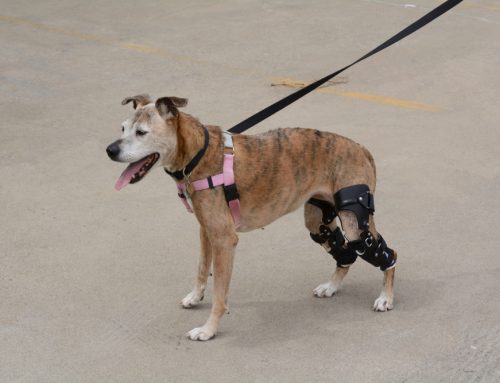
Arthritis affects the majority of pets over seven years old, in dogs and cats. Joint supplements and laser therapy reduce inflammation and support comfortable movement. Monthly injectable options provide targeted pain relief: Solensia for cats and Librela for dogs are monoclonal antibody therapies that block pain signaling at its source.
Our pharmacy carries hip and joint supplements with cartilage-supporting ingredients, plus Omega-3 supplements for dogs and for cats to support joint and skin health as a daily addition to any senior care routine.
Dental Disease
Dental care in senior pets is not cosmetic. Advanced periodontal disease allows bacteria to enter the bloodstream and has documented effects on kidney, liver, and cardiac tissue over time. Our dental care services include professional cleaning with full-mouth radiography under anesthesia, the only way to assess root and bone health that is not visible on surface examination.
Frequently Asked Questions About Senior Screening
How often should a senior pet be screened?
Twice yearly is the recommendation for pets seven and older. Annual is the minimum. The faster pace of change in older pets, combined with the value of trend data, makes every six months the appropriate interval.
What if all results come back normal?
That is excellent news and valuable information. Normal results confirm your pet is aging well and establish reference values for future comparison, which is often what allows us to catch a small change at the next screening before it becomes clinically significant.
Is anesthesia safe for senior pets?
With pre-anesthetic blood work and tailored anesthetic protocols, anesthesia in senior pets is substantially safer than most owners expect. The greater risk for most senior pets is the untreated dental disease, surgical condition, or imaging-needed mass rather than the anesthesia required to address it.
Can screening be done in steps if cost is a concern?
Yes. We can discuss which components are highest priority for your pet’s specific risk profile and build a plan that works within your budget while still capturing the most important baseline information.
Your Pet’s Best Chapter Starts With a Plan
The goal of senior screening is not to find problems to worry about, but to find them early enough to do something meaningful. Most age-related diseases that are caught in their earliest detectable stage are manageable. Many pets with early kidney disease, controlled thyroid dysfunction, or medicated heart disease live comfortably for years beyond their diagnosis.
East Wind Animal Hospital’s proactive approach to senior care means building a relationship with your aging pet’s health over time, not just responding to problems after they appear. Request an appointment for a senior screening, or contact us to discuss what testing makes the most sense for where your pet is in their life.



Leave A Comment