
Understanding Pet Osteoarthritis: Signs, Treatment, and Long-Term Care
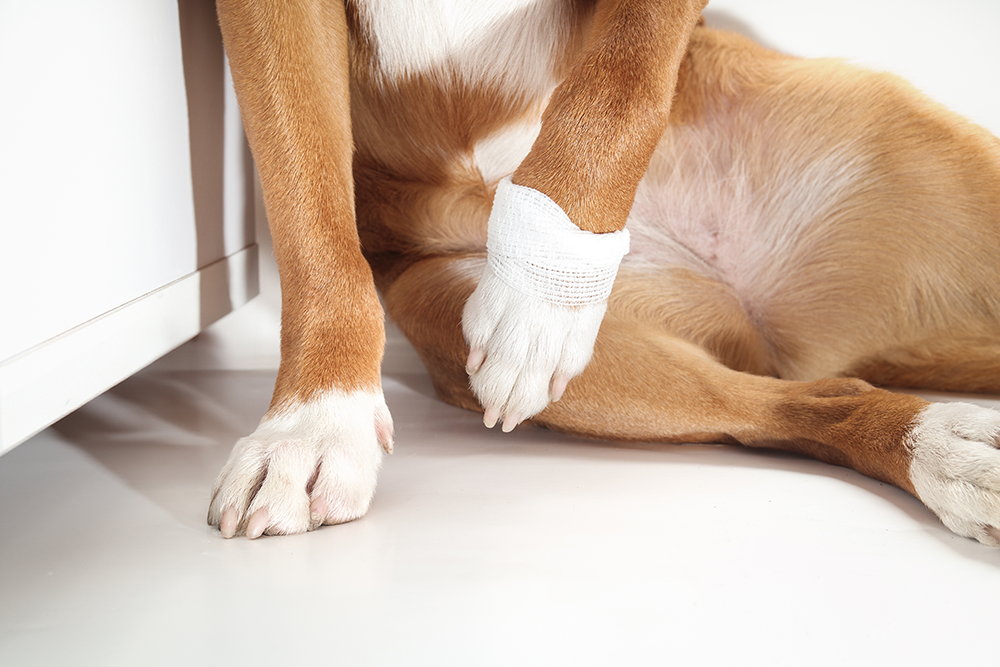
Have you noticed your pet hesitating before jumping onto the bed, or perhaps they’re moving a little slower on your morning walks? That stiffness after a nap or difficulty navigating stairs can be hard to watch. As pets grow older, years of active life can result in joint wear, often progressing into osteoarthritis.
It’s natural to worry when you see your pet in discomfort, but recognizing these early symptoms and working with your veterinarian can make a huge difference. By implementing a comprehensive management plan- including exercise, medication, supplements, and weight control- you can help restore their comfort and significantly improve their quality of life.
At East Wind Animal Hospital, we’re passionate about creating a personalized experience for your pet’s health. Our team provides comprehensive orthopedic evaluations, advanced diagnostics, and individualized treatment plans designed to maintain comfort and mobility at every life stage. Whether your pet needs early intervention or ongoing management, we’re here to help you navigate each step with compassion and clarity.
Supporting Pets Through Every Stage of Joint Health
Osteoarthritis is among the most common chronic conditions in aging pets. It often develops slowly, with minor stiffness or reduced activity that can be mistaken for “just getting older.” However, untreated joint inflammation can progress to chronic pain, reduced muscle tone, and mobility loss over time.
Our veterinarians emphasize preventive care and early detection, combining preventative care with lifestyle guidance to help delay or minimize arthritis progression. Through regular checkups and open communication, we can tailor each pet’s plan to their needs, keeping them active and comfortable for as long as possible. If your pet shows subtle signs of slowing down, schedule an appointment to begin managing their joint health today.
How to Recognize the First Signs of Pet Joint Pain
Early arthritis symptoms can be easy to overlook. Pets often adapt their behavior to mask pain, so what may appear as minor stiffness or reluctance could indicate deeper discomfort. Look for common pain signs like reluctance to rise, hesitation to climb stairs, or reduced enthusiasm for walks. Persistent limping or stiffness after rest should always prompt a veterinary evaluation.
For cats, early arthritis often manifests as less jumping, decreased grooming, or changes in sleeping spots. You might also notice reduced playfulness or missed jumps onto favorite perches.
We encourage owners to document subtle changes, such as altered walking patterns or slower recovery after play, and share them with our team during wellness exams. You can always contact us if you notice sudden stiffness or mobility changes.
The Role of Veterinary Diagnostics in Pet Arthritis Care
A complete arthritis evaluation involves assessing joint function, muscle tone, and flexibility. Our team uses palpation and movement tests to identify tender or inflamed areas, along with detailed discussions about your pet’s activity level and past injuries. Diagnostic imaging, like X-rays or ultrasound, helps confirm joint degeneration and rule out other conditions that mimic arthritis.
Routine preventive testing is also recommended, particularly for senior pets, to identify underlying issues that may contribute to joint pain. At East Wind Animal Hospital, our diagnostic services include digital X-rays and an in-house lab for rapid, precise results. By identifying arthritis early, we can recommend interventions that improve comfort and function before symptoms worsen.
Why Some Pets Are More Prone to Arthritis
While arthritis commonly appears with age, some pets are predisposed due to genetics, joint injury, or abnormal skeletal development. Conditions like cranial cruciate ligament injury, hip dysplasia, and patellar luxation place abnormal stress on joints, accelerating cartilage breakdown and inflammation.
Over time, repetitive strain leads to chronic wear and stiffness. Early rehabilitation, controlled exercise, and maintaining lean muscle tone can help offset these effects. East Wind Animal Hospital offers expert orthopedic surgical care for pets with conditions that will someday lead to arthritis- early intervention decreases the risk of severe joint disease later in life.
The Role of Weight Management in Reducing Arthritis Risk
Weight management plays a central role in both preventing and managing arthritis. More than half of U.S. dogs and cats are overweight or obese- a statistic that directly correlates with joint strain and inflammation. Every extra pound adds significant pressure to a pet’s hips, knees, and elbows, accelerating cartilage damage and pain.
Maintaining a healthy body condition score (BCS) can dramatically improve mobility and longevity. Research shows that lean pets live up to two years longer and experience delayed onset of arthritis compared to overweight companions. Beyond calorie restriction, maintaining lean muscle is equally vital. Strong muscles act as natural stabilizers, supporting joint movement and minimizing strain.
Our team creates sustainable weight management programs for arthritic pets. This includes customized diet recommendations, portion control, and structured low-impact exercise routines. Small, consistent improvements in body condition can make a measurable difference in comfort, energy, and quality of life.
Comprehensive Approaches to Managing Pet Arthritis
Because arthritis affects each pet differently, we create individualized, multimodal care plans that address both inflammation and lifestyle needs.
Medications and Supplements to Relieve Inflammation
Non-steroidal anti-inflammatory drugs (NSAIDs) are commonly prescribed to manage pain and inflammation, improving mobility and overall comfort. Our veterinarians monitor response and adjust dosage carefully, combining medication with joint supplements such as glucosamine, chondroitin, and omega-3 fatty acids for long-term support. These supplements promote cartilage health and joint lubrication, gradually enhancing flexibility.
Advanced Pain Relief with Targeted Biologic Injections
For pets who need more targeted relief, biologic therapies offer cutting-edge pain control. Librela for dogs and Solensia for cats are monthly injections that block nerve growth factor, a key molecule responsible for transmitting chronic pain signals. These therapies help many pets regain mobility without daily medication, making them an excellent option for those with sensitive stomachs or multiple medications.
If you think your pet might benefit from biologic treatment, our team can help determine candidacy and monitor progress through regular appointments.
Integrative Therapies to Support Long-Term Mobility
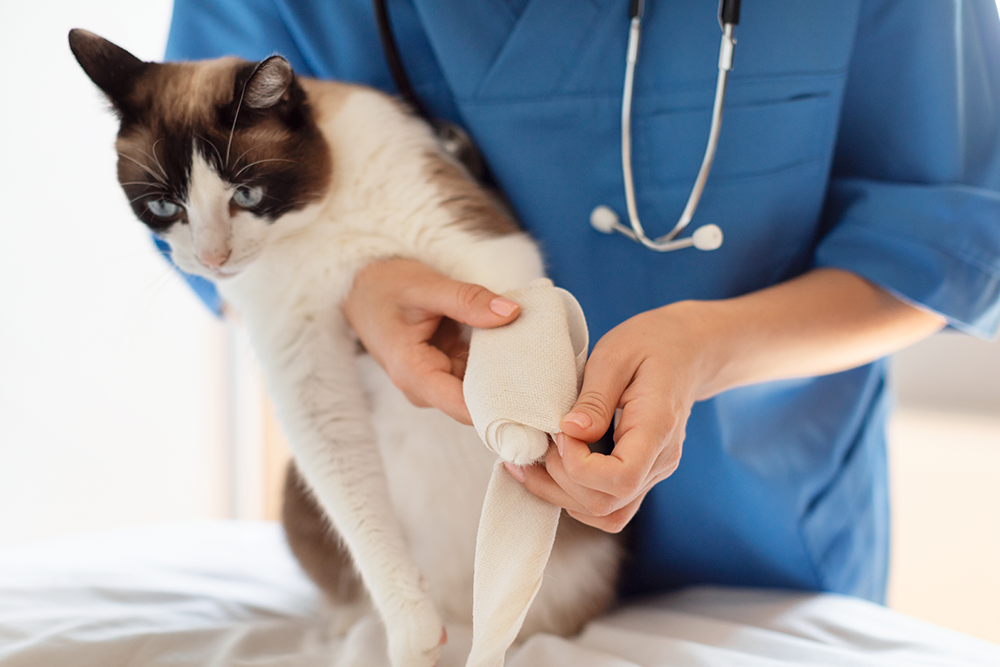
We also incorporate therapies like laser therapy, acupuncture, and physical conditioning into arthritis care plans. These techniques promote circulation, reduce inflammation, and strengthen supporting muscles.
Structured rehabilitation for arthritis helps pets maintain muscle tone, joint flexibility, and confidence. Our team will help design a balanced plan combining conventional and complementary approaches to maximize comfort and mobility.
Managing Multiple Conditions in Senior Pets
Arthritis often overlaps with other senior health conditions such as endocrine disorders, obesity, and cardiovascular disease. That’s why we approach each case holistically, integrating joint care with broader wellness support. Nutrition adjustments, weight management, and periodic internal medicine consultations all contribute to improved outcomes.
Regular senior wellness visits allow our team to track progress, fine-tune medications, and provide compassionate guidance for evolving needs.
It’s Never Too Early to Support Pet Joint Comfort
Arthritis may be chronic, but with early intervention and personalized care, pets can continue enjoying active, fulfilling lives. At East Wind Animal Hospital, we combine compassion, expertise, and advanced technology to manage joint disease effectively and comfortably.
If you’ve noticed signs of stiffness, limping, or behavioral changes, let’s start a plan that restores your pet’s mobility and joy. Contact us or request an appointment today to begin your pet’s journey toward greater comfort and lifelong wellness.




Leave A Comment