
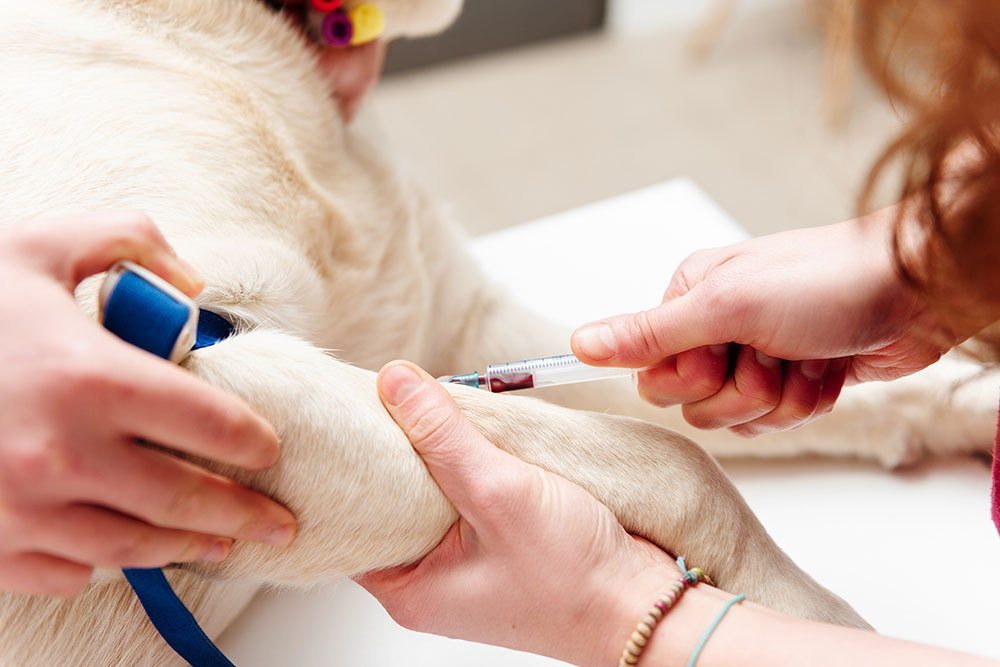
When the Body Attacks Itself: Understanding Autoimmune Blood Disorders in Pets
Seeing a pet grow suddenly weak, lose energy, or develop pale gums can be deeply alarming, especially when the cause is not obvious. Auto-immune blood diseases happen when the immune system mistakenly attacks healthy blood cells, disrupting oxygen delivery or normal clotting. These conditions can appear quickly and feel overwhelming, but early recognition makes a real difference. Understanding what’s happening inside the body brings clarity during an uncertain moment.
At East Wind Animal Hospital in Willow Grove, our team approaches complex immune conditions with careful diagnostics, clear communication, and close monitoring. With advanced in-house testing, internal medicine expertise, and the ability to provide urgent support and hospitalization when needed, we guide pets and their families through diagnosis and treatment. If something feels off, you can request an appointment or reach out through our urgent care services to get answers without delay.
What Happens When the Immune System Turns on Itself?
Your pet’s immune system defends against infections and abnormal cells. Sometimes that system misfires and begins attacking healthy tissue. When this attack targets blood cells, it can affect red blood cells that carry oxygen, platelets that help blood clot, or both.
Auto-immune blood diseases are either primary (no clear cause) or secondary (triggered by infections, some medications, cancer, or immune complex disorders). Knowing which type your pet has helps shape treatment. Our internal medicine team looks for underlying triggers because addressing them improves outcomes.
When Red Blood Cells Become Targets
Immune-mediated hemolytic anemia (IMHA) occurs when the immune system destroys red blood cells faster than the body can replace them. This causes severe anemia and reduced oxygen delivery.
Common signs include:
- Extreme tiredness or reluctance to play
- Pale or yellow-tinged gums
- Rapid or labored breathing
- Loss of appetite
- Dark brown or red urine
Yellow gums or skin can result from bilirubin, a byproduct of red blood cell breakdown. Dark urine can appear when hemoglobin passes through the kidneys after cells rupture.
IMHA is a medical emergency. Without prompt care, severe anemia can cause organ damage, blood clots, and life-threatening complications. Many pets respond well when treatment starts quickly.
Our in-house lab provides rapid complete blood counts and blood smear evaluations within minutes, guiding immediate decisions. With hospitalization and continuous monitoring available, we can act quickly when every moment matters.
When Blood Stops Clotting Properly
Immune-mediated thrombocytopenia (ITP or IMT) happens when the immune system destroys platelets, the cell fragments that help blood clot. With very low platelets, even small bumps can lead to excessive bleeding.
Watch for:
- Small red or purple spots on skin or gums
- Easy bruising
- Nosebleeds that are hard to stop
- Blood in urine, stool, or vomit
- Prolonged bleeding from minor cuts
Some pets show few signs until counts are very low. Others have obvious bleeding. Early recognition and treatment are key. Our diagnostics include platelet counts and smears to assess severity and track progress.
When Multiple Blood Cell Types Are Under Attack
Some pets develop both IMHA and ITP at the same time, often called concurrent immune-mediated conditions. These pets face anemia and bleeding tendencies together, which makes care more complex.
Treatment plans focus on controlling the immune system while minimizing side effects. Doses and drug combinations may change as your pet responds. Hospitalization allows close monitoring, real-time adjustments, and immediate support if complications occur.
How We Confirm an Auto-Immune Blood Disease
Diagnosing immune-mediated diseases involves ruling out other causes and gathering evidence that the immune system is attacking blood cells. We start with a thorough physical exam and a clear timeline of symptoms.
Key tests often include:
- Complete blood count to measure red cells, white cells, and platelets
- Blood smear to examine how cells look
- Coombs test to identify antibodies on red blood cells in suspected IMHA
- Reticulocyte count to see if the bone marrow is making new red blood cells
- Chemistry panel to assess organ function
We may also screen for infections, image internal organs, or run specific tests to find triggers. Our full in-house lab suite provides fast results so we can begin appropriate care. When needed, we work with a trusted reference lab for specialized testing and use ultrasound to look for underlying disease.
Treatment: Calming the Immune System and Supporting Recovery
The primary goal is to stop the immune system from destroying healthy blood cells while supporting your pet through the crisis. Treatment is tailored and often includes:
Immunosuppressive medications
- Steroids like prednisone are the first line and act quickly
- Additional drugs may be added for severe or unresponsive cases
- Doses are adjusted based on response and side effects
Supportive care
- IV fluids for hydration and organ support
- Oxygen therapy for severe anemia
- Medications to reduce blood clot risk in IMHA
- Anti-nausea and appetite support as needed
Transfusions
- Blood transfusions can provide immediate improvement in life-threatening anemia while medications take effect
Many pets start treatment in the hospital for close monitoring, then transition home on oral medications with regular follow-up. Our team provides non-critical hospitalization with 24-hour monitoring to keep your pet stable and comfortable during the first days of treatment.
What to Expect During Recovery and Long-Term Care
Every pet’s journey is unique. Many achieve remission, meaning blood counts normalize and symptoms resolve. Others need ongoing medication to prevent relapse.
Initial recovery (first weeks):
- Blood counts begin to improve within days to weeks
- Energy returns as anemia resolves
- Medications are gradually tapered as your pet stabilizes
- Frequent rechecks help catch changes early
Long-term management:
- Some pets stop all medications without relapse
- Others need low-dose medication long-term
- Regular bloodwork monitors for recurrence or side effects
- Treatment plans are adjusted as your pet’s needs evolve
Prognosis depends on how severe the disease is at diagnosis, how quickly treatment starts, whether triggers are identified, and how well medications are tolerated. Most pets who make it through the initial crisis enjoy a good quality of life. Our preventative care approach includes ongoing monitoring to spot issues early and keep your pet feeling their best.
Supporting Your Pet at Home
Your care at home makes a big difference. Clear routines and close observation help prevent setbacks.
Medication tips:
- Give all medications exactly as prescribed and on schedule
- Do not stop or skip doses without guidance
- Use a written or digital schedule to stay organized
- Call us if your pet vomits after a dose or seems unwell
Monitoring:
- Check gum color daily; report pale or yellow gums
- Watch energy, appetite, and breathing
- Look for bruising or pinpoint red spots, especially on the belly
- Watch for blood in urine or stool
- Keep a simple symptom journal for appointments
Comfort and recovery:
- Provide a quiet, comfortable space
- Limit high-intensity activity until your vet advises otherwise
- Offer favorite foods to encourage eating
- Ensure easy access to fresh water, as some meds increase thirst
Stay connected:
- Contact us promptly with new symptoms or concerns
- Bring your journal to rechecks
- Use our contact options anytime questions come up
Recovery can have ups and downs. What matters most is the overall trend and staying in close touch with your veterinary team.

FAQs: Quick Answers for Pet Owners
What causes these conditions?
Auto-immune blood diseases can be primary (no clear cause) or secondary to infections, medications, cancer, or immune complex disorders. Your vet will look for triggers that can be treated.
Is this contagious?
No. Auto-immune conditions are not contagious to people or other pets.
How fast do symptoms progress?
Signs can develop over hours to days. If your pet has pale gums, unusual bruising, or sudden weakness, seek care immediately.
Will my pet need lifelong medication?
Some pets do, while others eventually taper off. Regular checkups and bloodwork guide decisions.
Can my pet live a normal life after recovery?
Many pets return to happy, active lives with the right treatment and monitoring.
Your Partner in Managing Complex Immune Conditions
Auto-immune blood diseases challenge both pets and families, but advances in care offer real hope. Early recognition and prompt treatment make the biggest difference. If you notice pale gums, unexplained weakness, bruising, or bleeding, don’t wait to seek help. Our team at East Wind Animal Hospital is ready with advanced diagnostics, experienced internal medicine care, and compassionate support. Contact us or request an appointment today so we can help your pet feel better, guide you every step of the way, and ease your worries.




Leave A Comment