
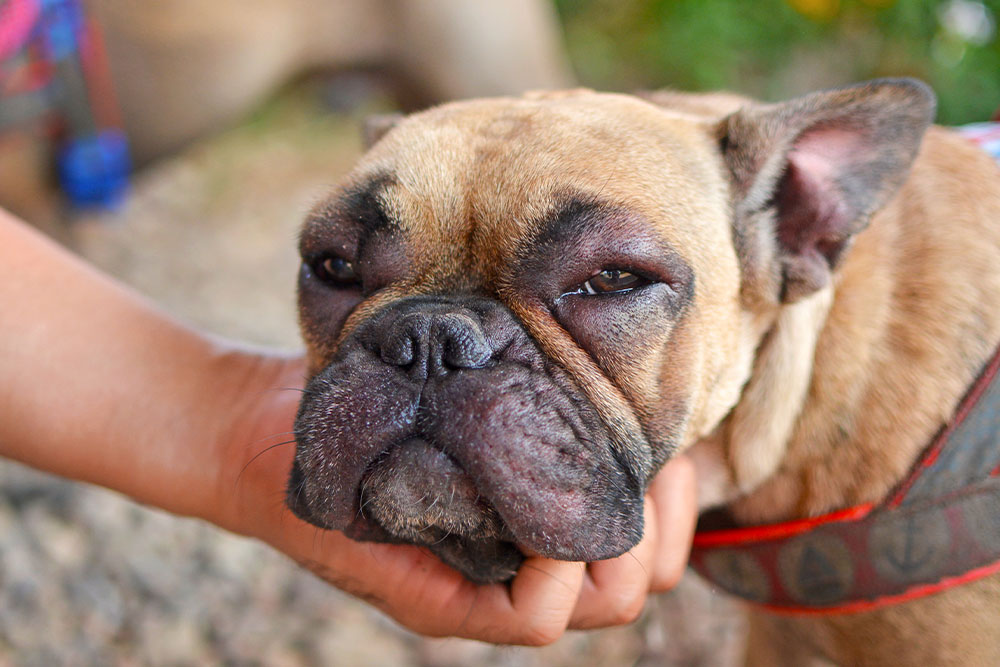
Swollen Face, Hives, or Collapse? What Allergic Reactions Look Like in Pets
Your dog was happily chasing a ball five minutes ago, and now their face looks puffy and they’re pawing at their skin. Or your cat was peacefully napping, and suddenly they’re wheezing. These moments leave you wondering whether you’re dealing with a mild irritation or a true emergency that needs care right now.
Allergic reactions in pets cover a wide range of severity, from a few itchy bumps to life-threatening breathing problems, and the early signs aren’t always easy to interpret. Knowing what to watch for and when to act helps you respond quickly and confidently when every minute counts.
At East Wind Animal Hospital, we integrate urgent care and general practice hours to handle sudden allergy flare-ups and build long-term prevention plans for pets in Willow Grove. Our in-house lab and monitoring allow us to triage and treat reactions fast. If you see concerning symptoms, please request an appointment or call our office. Our diagnostics help us identify what’s happening and guide the right treatment.
What Are the Most Common Allergy Triggers in Dogs and Cats?
Allergies happen when the immune system overreacts to something that wouldn’t normally cause harm, creating symptoms that range from itchy skin to whole-body emergencies.
Common trigger categories:
- Environmental allergens: Pollen, dust mites, mold, and grasses are frequent culprits. Pets with environmental allergens often show seasonal patterns of itching, ear problems, and skin irritation.
- Insect bites and stings: Bees, wasps, and especially flea bites trigger many reactions. A single flea bite can cause intense itching in sensitive pets.
- Food proteins: Certain food proteins like chicken, beef, or dairy can cause skin or digestive symptoms that persist year-round.
- Medications and vaccines: Occasional reactions to prescribed drugs or routine vaccinations, ranging from mild to severe.
In the Willow Grove area, spring and fall pollen, mold after rainy spells, and summer insects are common seasonal triggers. Knowing your pet’s likely exposures helps identify patterns early. For pets with recurring itch or hot spots, our preventative care services help build customized strategies based on lifestyle, season, and breed risks.
What’s the Difference Between Hives and Anaphylaxis?
How Do Reactions Range From Mild to Life-Threatening?
Not all allergic reactions look or act the same, and timing significantly impacts severity.
| Reaction Type | What It Looks Like | Urgency Level |
| Hives | Raised, itchy welts that may merge into patches; appear minutes to hours after exposure | Monitor closely; call for guidance |
| Respiratory signs | Sneezing, coughing, watery eyes; tend to progress slowly | Schedule evaluation; call if worsening |
| Anaphylaxis | Sudden vomiting, collapse, breathing difficulty, pale gums, shock | Emergency: seek care immediately |
Anaphylaxis in dogs and anaphylaxis in cats can develop within minutes and involve multiple body systems at once. When skin symptoms, digestive upset, and breathing problems appear together and progress rapidly, the situation is urgent.
The key difference is speed and how many body systems are involved. A few hives on the belly are very different from facial swelling with labored breathing. When in doubt, call us for urgent care and we’ll help you decide next steps.
Which Symptoms Are Red Flags Requiring Emergency Care?
Understanding common allergy symptoms helps you distinguish between signs that need monitoring and those demanding immediate action.
Signs to monitor closely:
- Puffy eyelids, muzzle, or ears
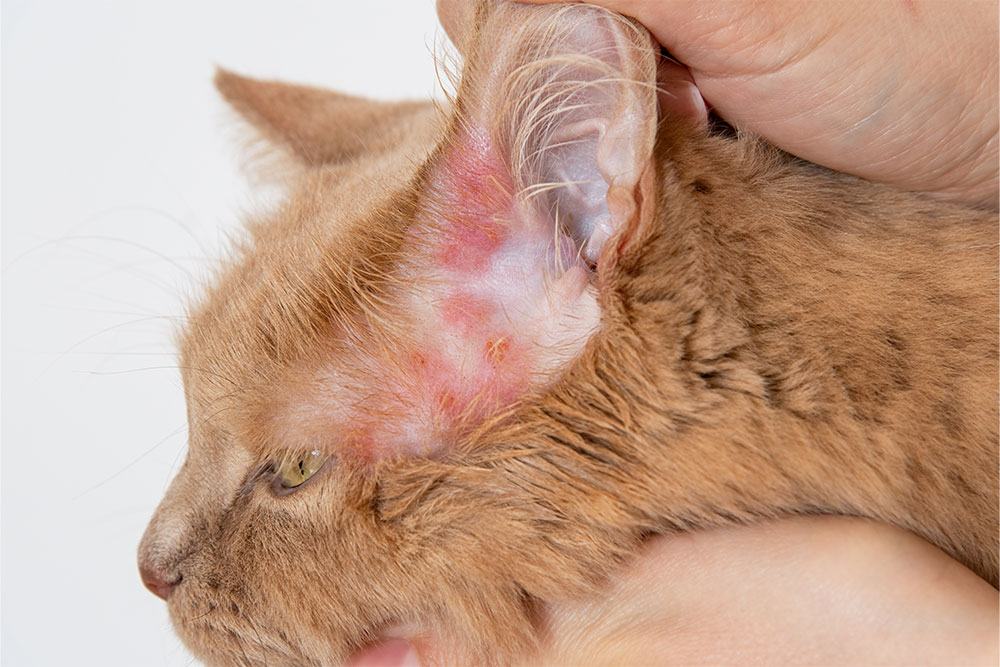
- Raised welts or bumps on skin
- Sudden intense scratching or licking
- Red, watery eyes or sneezing
- A single episode of vomiting or soft stool
- Restlessness or behavior changes
Emergency symptoms requiring immediate care:
- Trouble breathing, wheezing, or rapid shallow breaths
- Any open-mouth breathing in cats, which always signals distress
- Collapse, extreme weakness, or wobbliness
- Pale or blue-tinged gums
- Severe or rapidly spreading swelling of the face or throat
- Multiple episodes of vomiting or diarrhea with lethargy
Trust your instincts. If something feels wrong, it probably warrants a call. Our urgent care team can triage over the phone and tell you whether to come in right away.
What Should You Do at Home During a Suspected Reaction?
In the first moments, keep your pet calm, remove possible triggers, and call for guidance. If breathing is affected or your pet collapses, head to urgent care immediately.
Steps you can take right away:
- Remove the trigger if known. For stings, scrape the stinger away gently with a card rather than squeezing it.
- Rinse away residue. A cool water rinse removes pollen, grass, or topical irritants from skin and fur.
- Keep them quiet and cool. Provide a comfortable, low-stimulation space and limit activity, since movement can spread allergens faster through the body.
- Prevent self-trauma. An Elizabethan collar stops biting and scratching at hives and swollen areas.
- Document what you see. Photos of swelling, a quick timeline, and notes on recent foods or products help us treat faster.
Never give human medications without veterinary guidance. Some antihistamines can help, but dosing varies widely and certain ingredients are toxic to pets. Call us first and we’ll tell you exactly what’s safe for your pet.
When Does an Allergic Reaction Become an Emergency?
Head to urgent care immediately when you see rapidly spreading swelling (especially around the face or neck), worsening breathing, symptoms involving multiple body systems at once, collapse or severe weakness, or symptoms continuing despite removing the trigger.
What to expect when you arrive:
Our team begins with fast triage, providing oxygen support, IV access, and close monitoring of heart rate and gum color. Treatment depends on severity and may include antihistamines and anti-inflammatories for moderate reactions, IV fluids to support circulation, and epinephrine for severe anaphylaxis. In-house lab work or imaging helps confirm the diagnosis when needed.
Most pets with mild to moderate reactions go home the same day. Severe cases may need short-term hospitalization for monitoring.
How Can You Prevent Future Allergic Reactions?
Prevention combines reducing exposure, controlling parasites, and working with your veterinary team to manage underlying sensitivities.
Everyday prevention strategies:
- Grooming: Regular grooming including baths and brushing removes pollen, dust, and dander from coats before they cause problems.
- Parasite control: Flea allergy dermatitis can be triggered by a single bite, making consistent prevention essential. Year-round parasite prevention protects against fleas, ticks, and mosquitoes that remain active in our area.
- Emergency preparedness: For pets with known severe reactions to stings, ask about keeping epinephrine at home so you’re prepared if a reaction occurs away from the clinic.
Advanced management options:
For pets with chronic or recurring allergies, additional tools can make a significant difference. Immunotherapy works by gradually exposing the immune system to identified allergens, decreasing reaction severity over time. Medications like Apoquel help control itching and inflammation, while Cytopoint is an injectable option that targets itch signals for longer-lasting relief. Our team can help determine which approach fits your pet’s specific triggers and symptoms.
Wellness visits through preventative care are the best time to set up a personalized allergy management plan.
Can Diet and Home Changes Help Calm Allergies?
When food allergies are suspected, a veterinary-guided elimination diet trials approach is the most reliable way to identify triggers. This means feeding a novel protein or hydrolyzed formula for 8 to 12 weeks with strict control of all treats and table scraps. Improvement during the trial followed by symptom return when reintroducing the old diet confirms a food allergy.
Environmental management at home:
- Use HEPA vacuums to trap small particles
- Wash bedding weekly in hot water
- Maintain humidity between 30 and 50 percent to limit mold growth
- Ensure good ventilation, especially during high-pollen seasons
Regular bathing with topical therapies for allergic skin containing omega fatty acids can improve skin condition and reduce severe reactions. Don’t forget the ears. Allergies often inflame ear canals, and routine ear cleaning with veterinary-approved solutions prevents secondary infections.
If food or environmental allergies are suspected, our diagnostics can help structure trials and rule out other causes.
Should You Worry About Vaccine or Medication Reactions?
Most pets handle routine vaccines and medications well. Mild tiredness, injection site soreness, or a small bump are normal and resolve within a day or two.
However, vomiting, diarrhea, facial swelling, hives, or trouble breathing within hours of a vaccine need veterinary attention. Monitor your pet for 24 to 48 hours after new vaccines or medications, and know the patterns of common vaccination reactions so you can act quickly if something seems off.
For pets with a history of reactions, we may recommend pre-medication and longer observation periods. We also customize vaccine schedules thoughtfully because not every pet needs the same timing or combinations. Planning ahead is part of wellness, and during routine preventative care visits, we discuss timing, risk, and monitoring tailored to your pet.
How Does Partnering With Your Vet Team Help?
Regular checkups create a baseline that makes it easier to spot changes and act quickly during a reaction. Ongoing testing and tracking support targeted decisions.
What partnership looks like at East Wind:
- Consistent exams: Nose-to-tail evaluations catch subtle skin and ear changes early.
- Focused diagnostics: Blood testing, cytology, fecal testing, and allergy testing when appropriate help us identify root causes. Our internal medicine team guides complex cases.
- A plan for the unexpected: Clear instructions, at-home medications when appropriate, and a shared understanding of when to come to urgent care reduces confusion during stressful moments.
Frequently Asked Questions
What’s the difference between hives and anaphylaxis?
Hives are itchy skin welts that are uncomfortable but usually manageable with treatment. Anaphylaxis is a sudden, whole-body reaction involving breathing problems, collapse, or shock that requires immediate emergency care.
When should I go to emergency care versus calling first?
For breathing trouble, severe facial or throat swelling, collapse, pale gums, or persistent vomiting and diarrhea, go directly to urgent care. For hives, mild swelling, or localized itching, call us first and we’ll advise next steps.
Can I give my dog Benadryl at home?
Never give any medication without veterinary guidance. Some antihistamines are safe at specific doses, but others contain ingredients toxic to pets. Call us and we’ll tell you exactly what’s safe and how much to give.
How do I know if my pet has a food allergy?
Food allergies require an elimination diet trial lasting 8 to 12 weeks with a novel or hydrolyzed protein diet. Improvement during the trial and symptom return when reintroducing old food confirms the allergy.
Can flea prevention really help with allergies?
Absolutely. Flea allergy dermatitis is one of the most common allergic conditions in pets, and a single bite can trigger intense itching. Year-round prevention eliminates this trigger entirely.
Your Calm Plan for Allergic Reactions Starts Here
Allergic reactions can be frightening, but you’re not alone. Whether your pet is dealing with a mild skin flare or a serious emergency, East Wind Animal Hospital provides same-day support, structured diagnostics, and monitoring when needed.
If you see rapidly spreading facial swelling, worsening breathing, collapse, or persistent vomiting, head to our urgent care or the closest veterinary ER right away. For ongoing allergy concerns or prevention planning, contact us and we’ll help create a path forward tailored to Willow Grove seasons and your pet’s unique needs. Request an appointment and let our team support you with a calm, thorough approach.






Leave A Comment